

Big Pit National Coal Museum in Blaenavon and St Fagans National Museum of History are hosting exhibitions to mark the 60th anniversary of the Aberfan disaster.
They bring together artefacts, oral histories, community voices, creative projects and learning resources to support remembrance and reflection.
Big Pit has new display featuring personal items, memories and oral histories collected from people connected to Aberfan, with some objects being shown publicly for the first time.
At St Fagans, existing Aberfan content within the ‘Wales Is…’ gallery have been enhanced with additional objects linked to the disaster.
The programme highlights the museum’s ongoing work to collect and preserve items connected to one of Wales’ worst disasters.
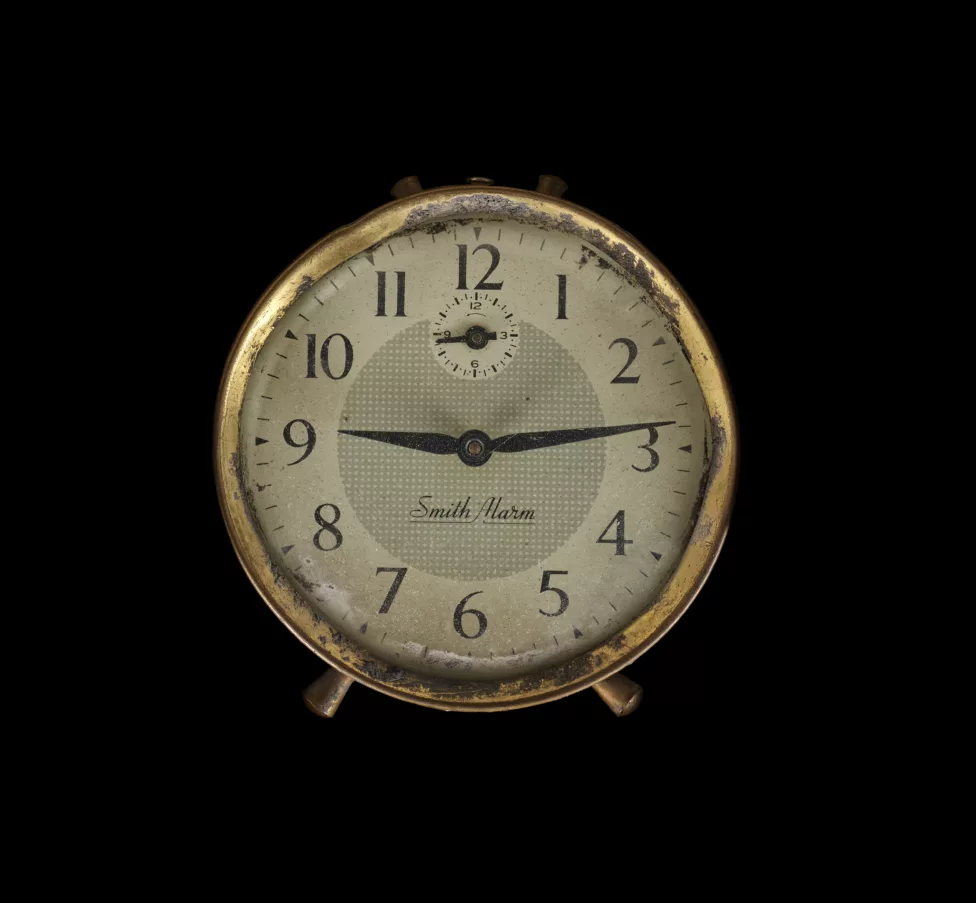
In 2022, Amgueddfa Cymru acquired its first three-dimensional artefact linked to Aberfan when Mike Flynn donated a clock that had been cared for by his father, one of the rescuers.
The clock stopped at 9.13am, the moment the disaster struck, and has been displayed in the ‘Wales Is… gallery’ at St Fagans since then.
The museum’s collection has expanded to include a Bible recovered from a house on Moy Road after the disaster, dolls belonging to schoolchildren Eryl Mai Jones and Norma Mumford, who both died in the tragedy, and letters of condolence sent by pupils and their teacher from California.
More recently, relatives donated personal belongings of siblings Carl and Marylyn Minett, who also lost their lives in the disaster. Their sister, Gaynor Madgwick, survived.
Museum Wales hopes to continue collecting artefacts and stories linked to Aberfan to help preserve memories of the disaster for future generations.
Hundreds of people travelled to Aberfan to help, including colliery rescue teams, St John Ambulance, the Red Cross, the Salvation Army, members of the armed forces and workers from private companies.
Ceri Thompson, senior curator of coal at Amgueddfa Cymru, said:
“Aberfan is an important moment in modern Welsh history and is a deeply personal tragedy for so many people. As a museum, we are marking this milestone by sharing items from the collection to remember and reflect on the human loss, while also providing access to resources and platforms for people to learn more about the disaster’s setting within the wider social context.
“The people who came from far and wide to Aberfan to help in the rescue effort goes to show the impact the disaster had on people across Wales and the world. This is a key part of the story and as well as documenting and remembering the tragedy itself, it’s important that we remember this outpouring of help, compassion and solidarity with the community.”
As part of the project, oral histories have been recorded to document memories of the rescue operation which followed the disaster.
New educational resources are also being developed for schools. The materials will help pupils learn about the Aberfan disaster while placing it within the wider context of Wales’ industrial heritage and coalfield communities.
All elements of the programme will be brought together on a dedicated online hub, giving access to collections, learning resources, creative projects and further information about Aberfan.
Sioned Hughes, head of history and collections development at Amgueddfa Cymru, said: “Aberfan remains a deeply significant and sensitive part of Wales’s history. Through continuing to collect objects and oral histories, and developing new learning resources and creative responses, this programme is intended to support remembrance, careful learning and deep reflection, while ensuring that the stories and memories connected to Aberfan are preserved and shared with future generations.”